


- HOME |
- RACING NEWS |
- FACEBOOK APP |
- Racing Blog |

- TipsterChallenge.Com is a Global and Innovative FREE Horse Racing, Competition based on UK Horse Racing


The Role of Handicapping in Horse Racing: Key Factors to Watch
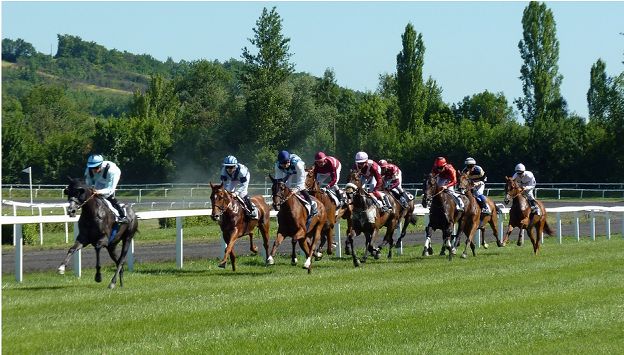
Horse racing is an exhilarating sport that blends strategy, skill, and chance. At its core lies the art and science of handicapping—the process of analyzing and predicting the outcome of races based on a variety of factors. For enthusiasts, understanding handicapping can turn a casual hobby into a rewarding pursuit. This article delves into the key elements of handicapping and how they shape horse racing and Tipsters
Understanding Handicapping
Handicapping is a method employed by bettors and race analysts to assess the chances of each horse in a race. By evaluating past performances, physical attributes, track conditions, and other variables, handicappers attempt to level the playing field and predict outcomes. It’s not just about luck; it’s a calculated approach to making informed decisions.
In addition to handicapping, understanding the overall nature of horse racing odds is equally crucial. Given the fast-paced nature of the sport, odds can fluctuate rapidly, and keeping up-to-date is essential. Using betting sites offering real-time racing odds is essential in helping new and experienced fans read and interpret the constantly changing numbers. Some sites also offer insights into betting options like Ante-Post, Each-Way, Pool, and Pari-Mutuel Betting, adding an extra layer of excitement to the betting experience.
Using betting sites offering real-time UK horse racing betting oddsKey Factors to Watch
1. Past Performance Records
A horse’s racing history provides invaluable insights. Metrics like finishing times, positions, and patterns in performance can reveal a horse’s strengths and weaknesses. Consistent performers with a track record of strong finishes are often more reliable bets. However, examining the conditions of those past races—such as track surface, competition, and weather—is equally crucial.
2. Jockey and Trainer Influence
The synergy between a jockey and a horse can significantly impact performance. Experienced jockeys with a history of success at specific tracks or with particular horses often bring an edge. Similarly, the trainer’s reputation and methods play a pivotal role. A well-trained horse is likelier to excel, especially when paired with a competent jockey.
3. Weight Assignments
In handicapped races, horses are assigned varying weights to level the competition based on various variables set by various horse racing associations. A heavier weight can slow a horse down, while lighter assignments give others an advantage. Monitoring these adjustments and how a horse has historically performed under different weights is key to accurate predictions.
4. Track Conditions and Surface
Track conditions can dramatically affect race outcomes. Each horse performs differently under varying conditions, whether the surface is dirt, turf, or synthetic. Rain-soaked tracks, for instance, may favor certain breeds or running styles. Observing how a horse has performed on similar surfaces can provide critical insights.
5. Pedigree and Bloodlines
A horse’s lineage can indicate its potential, especially for young or inexperienced contenders. Bloodlines often reflect specific attributes like speed, stamina, or suitability for particular track conditions. While pedigree isn’t everything, it’s a significant factor in assessing a horse’s long-term capabilities.
Tools and Resources for Effective Handicapping
Modern handicappers have access to an array of tools to enhance their predictions. Online databases, racing forms, and software analytics provide comprehensive data on horses, jockeys, and trainers. Leveraging these resources can refine your handicapping strategy, ensuring a more methodical approach to betting.
The Importance of Discipline in Handicapping
While handicapping involves analysis, discipline is paramount. It is crucial to avoid impulsive decisions and stick to your strategy, even when the odds seem tempting. Betting responsibly ensures that you enjoy the sport without unnecessary risks.
Conclusion
Handicapping is both an art and a science, offering a structured approach to enjoying horse racing and making informed bets. By considering factors like past performance, jockey-trainer dynamics, track conditions, and weight assignments, bettors can gain a deeper appreciation of the sport. Whether you're new or experienced, understanding handicapping turns each race into an exciting test of skill and insight.



| Copyright © 2008 TipsterChallenge.com. All rights reserved. |