Best Flat Trainers 2026: Who to Back This Season
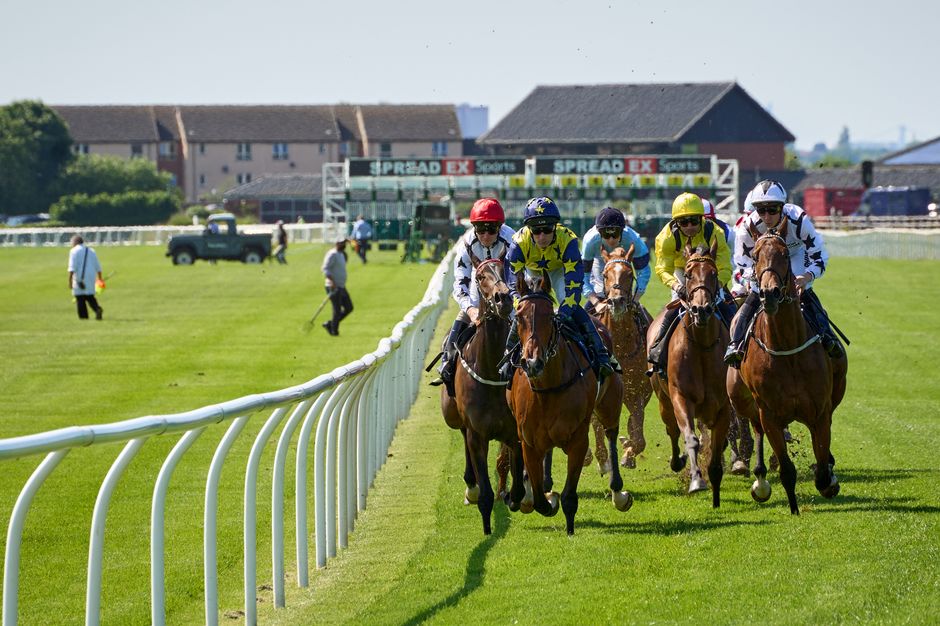
As the 2026 flat racing season unfolds, punters and racing enthusiasts are closely watching the performance of Britain and Ireland's leading trainers. The competition at the top of the trainers' championship is fierce, with several yards consistently producing winners at the highest level. Understanding which trainers are in form, which yards are delivering prize money, and how different ranking systems work can help you make more informed selections. This article examines the standout names in the British flat trainers' championship and the wider training scene as of mid-2026.
Trainers' Championship Leaders: Prize Money Standings
The British Horseracing Authority ranks trainers by prize money earned during the calendar year from January to December. This metric provides a clear, objective measure of a trainer's success, factoring in both win and place earnings. As of July 2026, the top five in the championship reflect a blend of Irish power and deep British tradition.
Aidan O'Brien: Dominance from Ballydoyle
Aidan O'Brien leads the British Championship Top 5 Flat trainers with 17 wins and £5,481,072.90 in prize money. The Ballydoyle maestro continues to set the standard, particularly in Group 1 and Classic contests. Although O'Brien trains predominantly in Ireland, his runners frequently cross the Irish Sea to compete in Britain's most valuable races, which explains his strong representation in the British championship. His ability to prepare top-class two-year-olds and seasoned older horses alike keeps him at the pinnacle of the sport.
Andrew Balding: Consistency at Kingsclere
Andrew Balding sits second in the championship with 113 wins and £3,438,995.81 in prize money. The Kingsclere-based trainer has built an enviable record for consistency, regularly hitting century-plus winners in a season. His yard is known for producing progressive handicappers and improving three-year-olds. Balding's approach, which balances quantity with quality, makes him a reliable name for punters looking for each-way and win bets across multiple meetings.
William Haggas: Newmarket Quality
William Haggas occupies third place with 62 wins and £3,257,575.11 in prize money. Based in Newmarket, Haggas is widely respected for his meticulous preparation and patience with horses. His runners often improve with age, and he excels in middle-distance and staying contests. Haggas's yard regularly supplies Royal Ascot winners and Group performers, and his strong strike rate in quality handicaps makes him a trainer to follow throughout the season.
John and Thady Gosden: Father-Son Partnership
John and Thady Gosden are fourth in the championship standings with 56 wins and £2,800,854.98 in prize money. The Clarehaven stable, now run as a partnership between father and son, remains a force in pattern racing. Though their win count is lower than some rivals, their horses compete in the most valuable races and often deliver in big-field handicaps and Group events. Classic winners remain a hallmark of the yard, and their runners demand respect in any contest.
K. R. Burke: Northern Power
K. R. Burke completes the top five with 71 wins and £2,681,256.20 in prize money. Based in North Yorkshire, Karl Burke has built one of the most consistent operations in the north of England. His yard is especially strong with two-year-olds and sprinters, and he regularly features in the juvenile patterns. Burke's ability to place horses to advantage in handicaps is a key reason for his strong win tally and prize money haul.
Alternative Rankings and Qualitative Assessments
Prize money is not the only way to evaluate a trainer's standing. Different sources apply their own criteria, including subjective power rankings and broader qualitative assessments. Understanding these can give a fuller picture of the training landscape in 2026.
RaceShare's Leaders of the Turf: A Broader View
An assessment published by RaceShare in May 2025 identified William Haggas, Andrew Balding, Roger Varian, and Charlie Appleby as top-tier flat trainers in British racing. The list also included Charlie Johnston, John and Sean Quinn, Stuart Williams, Ed Bethell, and Eve Johnson Houghton as highly ranked and respected names. This qualitative view highlights trainers who may not always lead the prize money table but who consistently produce winners and develop talent.
Charlie Appleby, based at Godolphin's Moulton Paddocks in Newmarket, has been a dominant force in recent years, particularly in staying and middle-distance races. Roger Varian, also in Newmarket, runs a powerful yard that regularly produces Group winners. Charlie Johnston, son of the late Mark Johnston, continues the family tradition of high-volume training with notable success. John and Sean Quinn, along with Stuart Williams, represent shrewd handlers who achieve strong results with smaller strings. Ed Bethell and Eve Johnson Houghton are rising names whose yards consistently outperform expectations.
YouTube Power Rankings: Post-Ascot View
A subjective power rankings video posted on YouTube in July 2026, following Royal Ascot, offered another perspective. The video placed Ed Walker at number 10, Andrew Balding at number 9, George Scott at number 8, and Francis-Henri Graffard at number 7. These rankings reflect recent form and performance at the royal meeting rather than season-long prize money. Francis-Henri Graffard, a French-based trainer, highlights the international nature of modern flat racing, where runners from across Europe target Britain's richest prizes.
George Scott and Ed Walker are both upwardly mobile trainers with improving strike rates. Scott, based in Newmarket, has built a reputation for quality handicappers and smart two-year-olds. Walker, also based in Newmarket, has produced a steady stream of winners across all age groups. Their inclusion in a post-Ascot ranking underlines the depth of talent in British training ranks.

Understanding Different Ranking Methodologies
Punters should be aware that trainers can appear in different positions depending on the ranking system used. The British Horseracing Authority uses prize money earned in British races from January to December, which is why Aidan O'Brien, despite being Irish-based, tops the table. The RaceShare article provided a qualitative assessment based on overall performance, ability to produce winners, and the strength of their strings. The YouTube video offered a subjective power ranking based on recent form and performance at a specific festival.
None of these systems is definitive. A trainer who leads in prize money may have fewer wins than a rival with a lower total. A trainer who excels in handicaps may be overlooked in a power ranking that focuses on Group races. For the best picture, punters should consult the official championship standings, study recent form, and consider a trainer's record at the specific track or race type they are targeting.

Key Trainers for Different Race Types
Each leading trainer tends to have strengths in particular race categories. Understanding these specialisations can help punters identify value when placing bets.
Sprinters and Two-Year-Olds
K. R. Burke is a standout name for juvenile and sprint races. His northern base gives him access to a different circuit, and his two-year-olds often run well in early-season maidens and nurseries. William Haggas also excels with younger horses, particularly those who need time and patience. Andrew Balding's record with improving two-year-olds in late summer and autumn is noteworthy.
Middle Distance and Staying Races
Aidan O'Brien is the dominant force in Classic and Group 1 contests over a mile and beyond. John and Thady Gosden likewise have a strong record in top-level staying races, including the Ascot Gold Cup and the St Leger. William Haggas's horses often improve when stepped up in trip, making him a trainer to follow in middle-distance handicaps and conditions races.
Handicaps and Competitive Flat Races
Andrew Balding and K. R. Burke are masters of placing horses in competitive handicaps. Their yards often produce winners at the big meetings and on standard cards alike. Charlie Johnston, with his high-volume approach, is another trainer to track in handicaps. Roger Varian and Charlie Appleby also have strong records in quality handicaps at Royal Ascot and other festivals.
Staying Informed: Where to Check Latest Standings
For the most up-to-date information on the flat trainers' championship, the British Horseracing Authority website is the official source. The standings are updated regularly throughout the season. Racing news sites, such as RaceShare and other industry publications, provide analysis and qualitative assessments. Social media channels, including YouTube, offer subjective power rankings and form analysis from experts and enthusiasts. For a community-driven view, tipster sites and racecourse forums can give real-time opinion and performance data.
Frequently Asked Questions
Who is leading the flat trainers' championship in 2026?
As of July 2026, Aidan O'Brien leads the British Championship Top 5 Flat trainers with 17 wins and £5,481,072.90 in prize money. Andrew Balding is second, followed by William Haggas, John and Thady Gosden, and K. R. Burke. These standings are based on prize money earned in British races from January to December.
Why is Aidan O'Brien in the British championship if he trains in Ireland?
The British Horseracing Authority's championship includes prize money earned by trainers in British races, regardless of their home base. Aidan O'Brien regularly sends horses to compete in Britain's top meetings, including the Classics and Royal Ascot, and his earnings in those races qualify him for the British championship table.
How do the different trainer rankings work?
The British Horseracing Authority uses prize money as its sole criterion. RaceShare's qualitative assessment considers overall performance, win rates, and the strength of horses in training. YouTube power rankings are subjective and based on recent form and festival performance. No single ranking gives a complete picture, so it is sensible to consult multiple sources.
Which trainers are best for handicap races?
Andrew Balding, K. R. Burke, and Charlie Johnston are among the most consistent names for competitive handicaps. Their ability to place horses to advantage in large fields makes them reliable for each-way betting. William Haggas and Roger Varian also have strong handicap records, particularly at the bigger meetings.
Following the leading flat trainers throughout the 2026 season gives punters a valuable edge. Whether you rely on prize money tables, qualitative assessments, or subjective power rankings, paying attention to the yards that are in form and the races they target can improve your betting decisions. The current championship leaders show that success comes in many forms, from Aidan O'Brien's Classic power to Andrew Balding's relentless consistency. Keep an eye on the official standings and the trainers mentioned here as the season progresses.